
If you ask experienced travellers which part of Panama most people miss, Playa Venao comes up every time. Tucked down the Pacific coast of the Azuero Peninsula, this small surf and wellness destination has built a quiet reputation among those who know Panama beyond its capital. There are no casino hotels here. No cruise ship ports. No international resort chains.
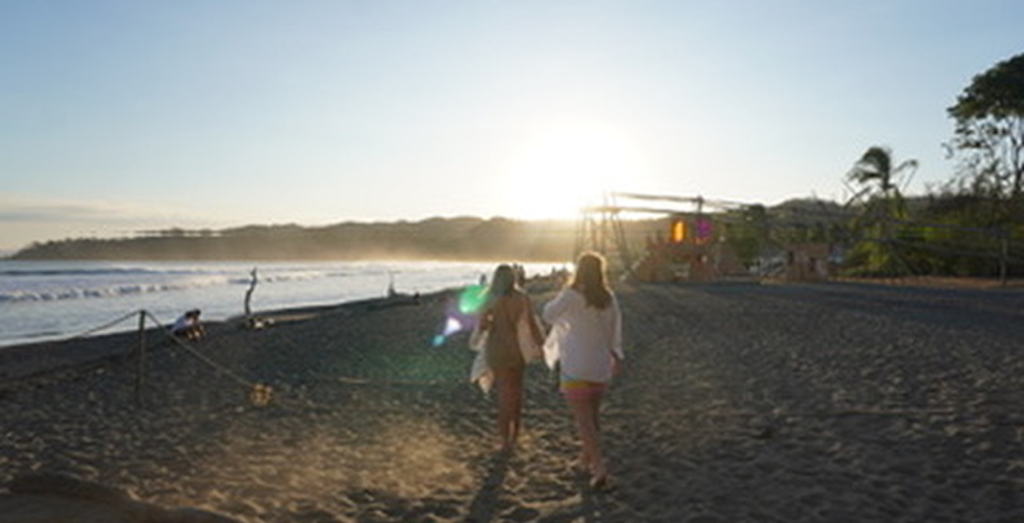
What there is: a beautiful crescent of black sand beach, some of the most consistent surf in Central America, extraordinary wildlife, world-class wellness retreat centres, and a particular quality of light in the late afternoon that makes everything else feel less urgent.
This guide gives you everything you need to visit Playa Venao the right way.

Where Is Playa Venao?
Playa Venao sits on the Pacific coast of the Los Santos Province in central Panama, on the Azuero Peninsula — a bulge of land pushing into the Pacific that receives consistent swell, stays drier than Panama’s Caribbean coast, and has resisted the kind of development that has changed other Central American beach destinations.
The nearest town of any size is Pedasi, about 20 minutes away. Panama City is roughly four to five hours by road. There is no airport in Playa Venao itself. What there is instead is exactly what draws people: genuine remoteness within reach.
Getting to Playa Venao
The most practical route is to fly into Tocumen International Airport in Panama City and then drive south along the Pan-American Highway before cutting down through the Azuero Peninsula. The road is well-maintained throughout and the drive itself is worth doing — the landscape changes from city to farmland to rolling hills to coastline in a way that feels like an arrival.
Domestic flights operate between Panama City and Chitré or Pedasi, cutting travel time significantly if you prefer to fly. Car rental from the domestic airport in Chitré is available and recommended.
A rental car gives you the freedom to explore the peninsula at your own pace — Isla Iguana, Pedasi’s Saturday market, and the road through Cañas are all worth the detour.
The Best Things to Do in Playa Venao
Surfing
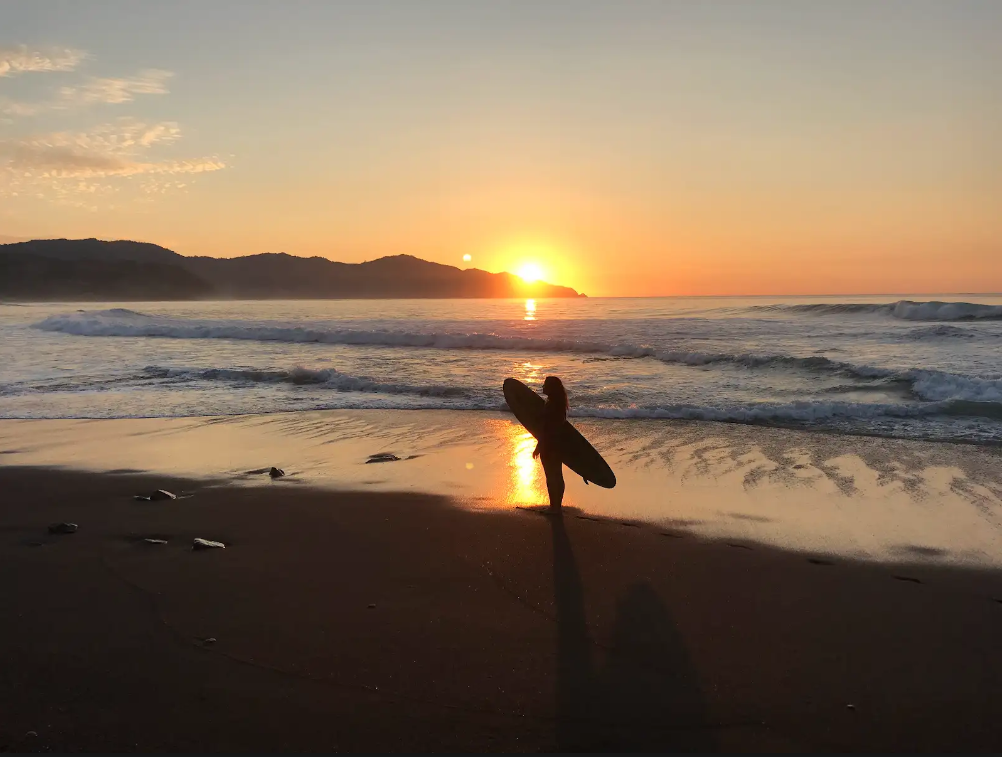
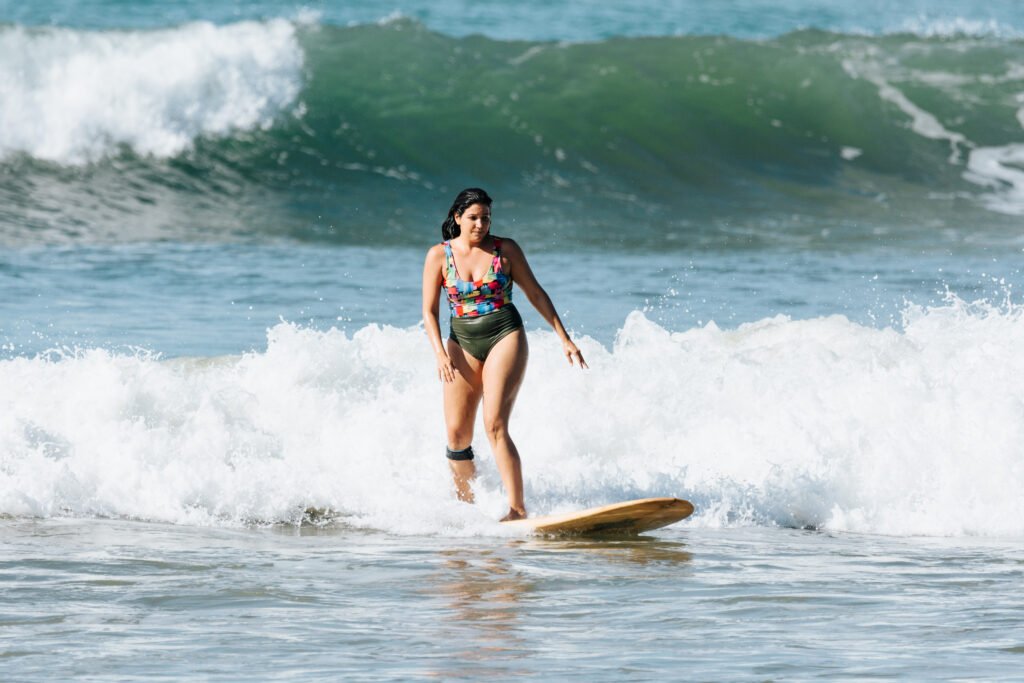
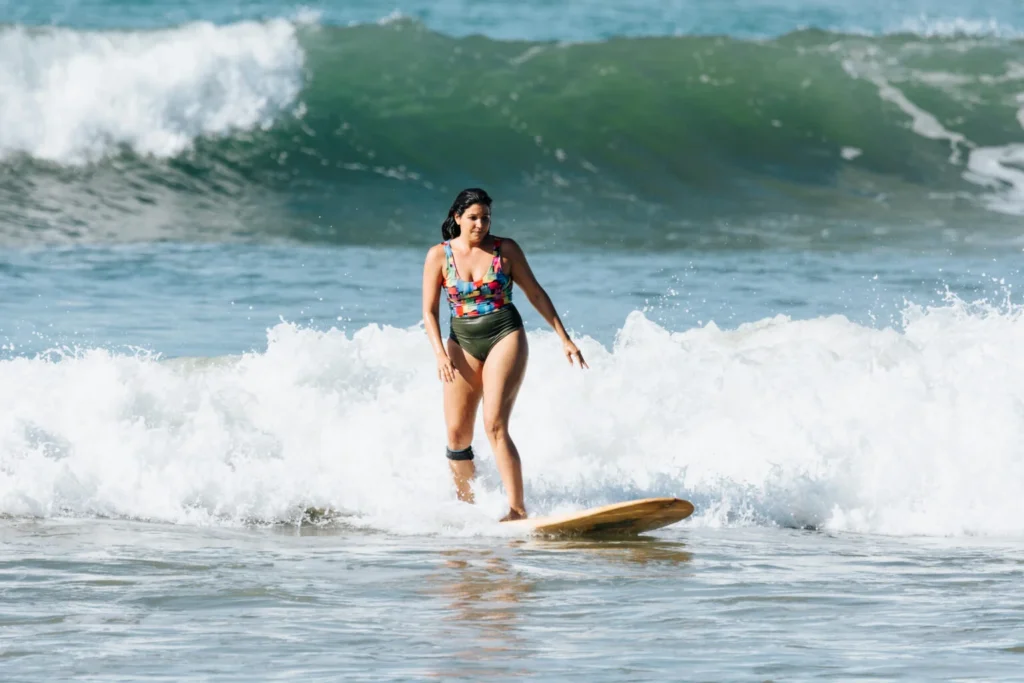
Playa Venao is Panama’s most consistent surf break and the primary reason many travellers first come here. The beach delivers reliable left and right-hand waves year-round, with the most powerful swell arriving between April and November. The break works well for intermediates and experienced surfers; in the right conditions it can also be manageable for beginners. Several surf schools operate locally and can assess conditions, provide boards, and offer tuition for all levels.
The black sand beach absorbs heat quickly — early morning sessions start cooler, less crowded, and with the offshore winds that make Playa Venao’s wave face particularly clean.
Yoga and Wellness
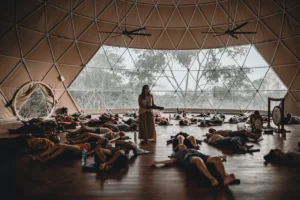
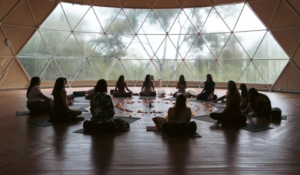
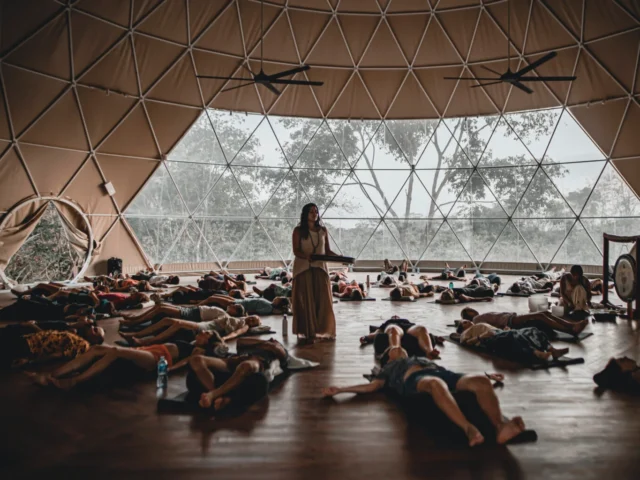
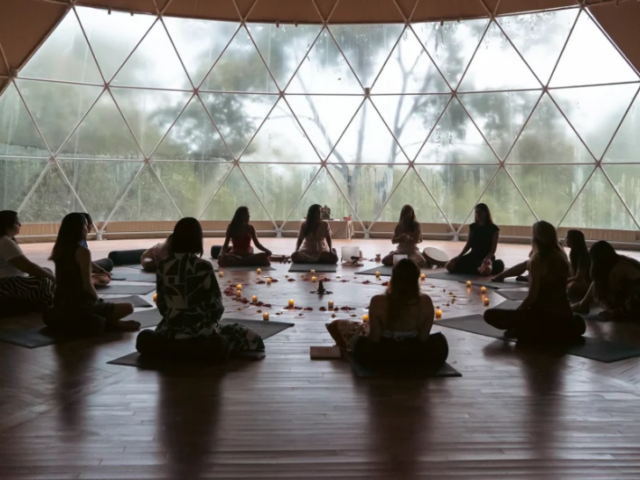
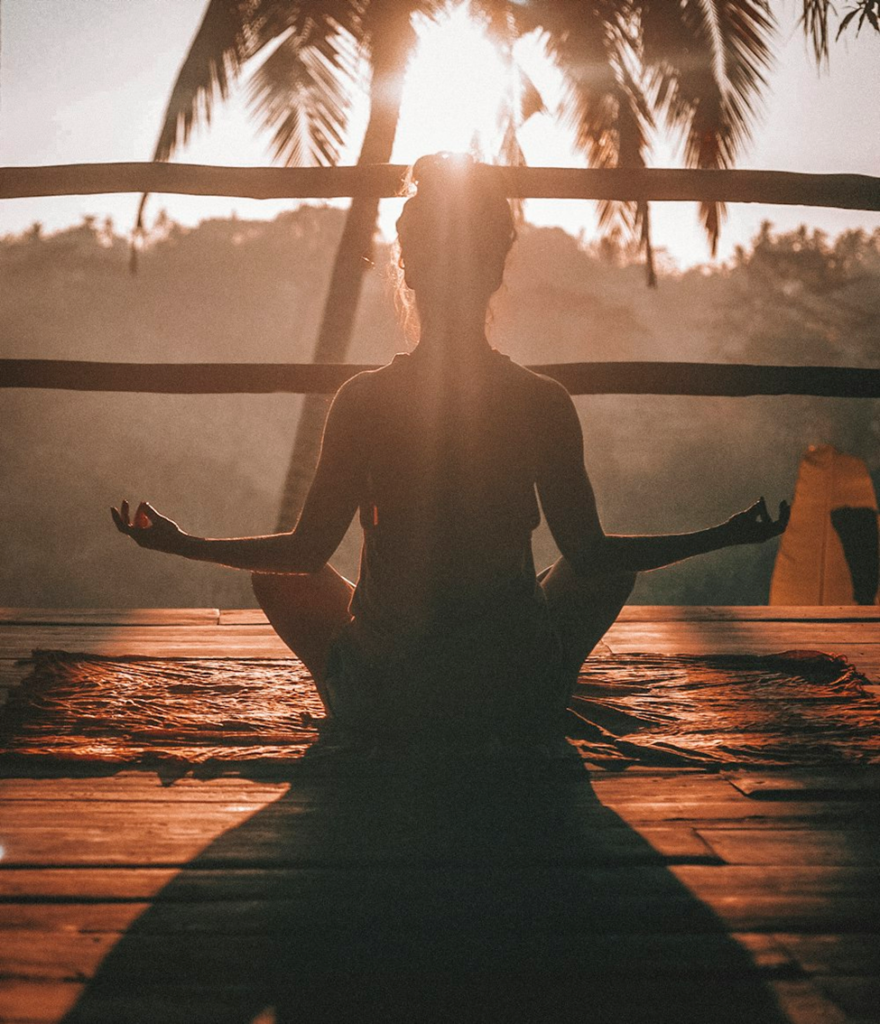
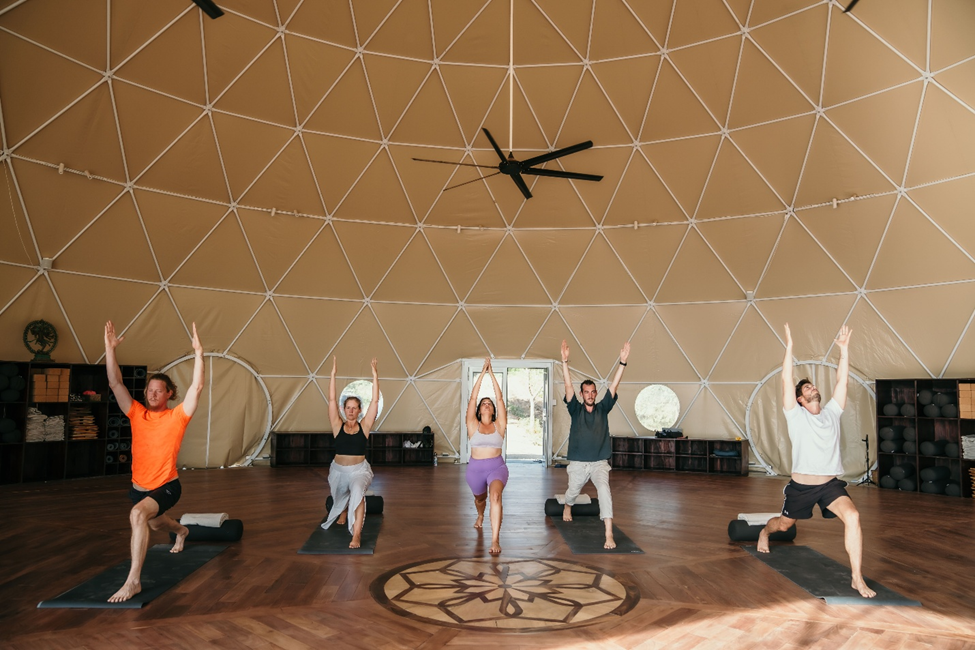
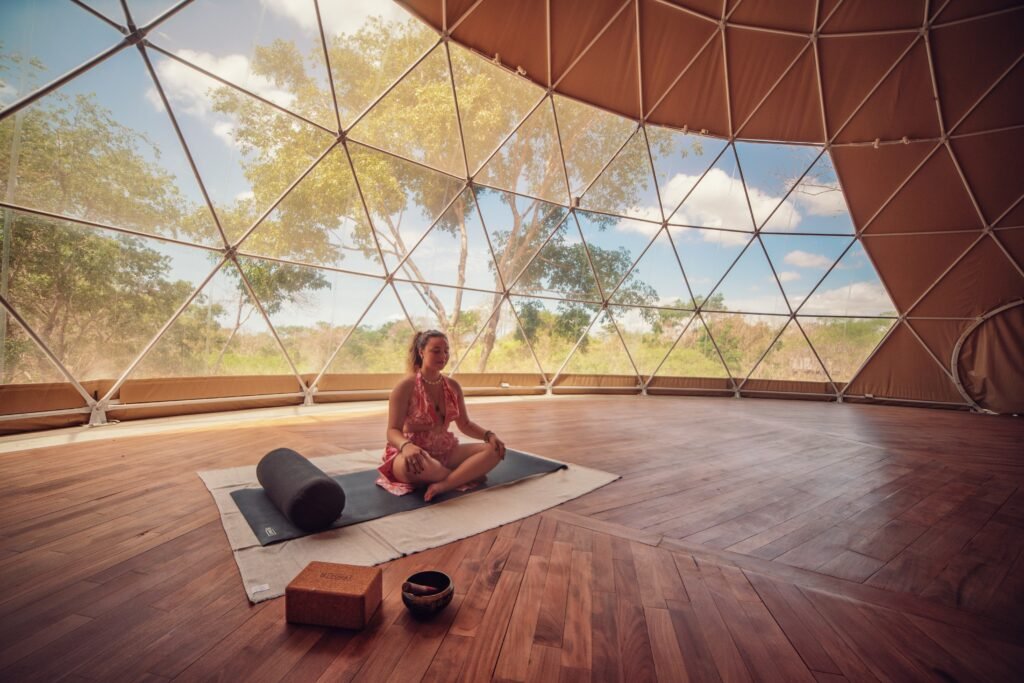
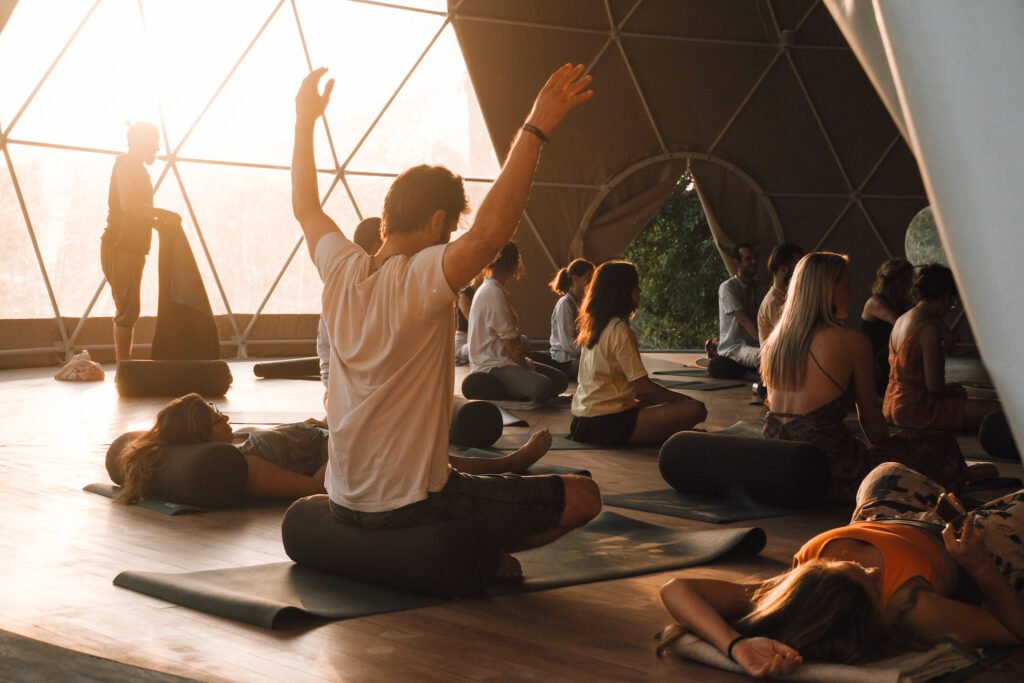
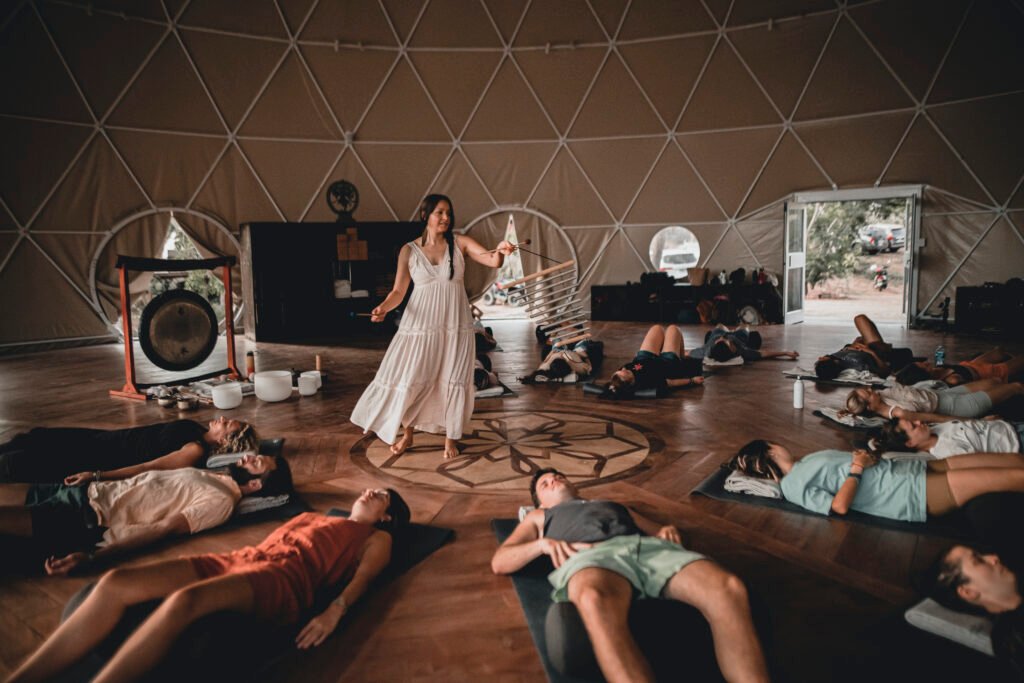
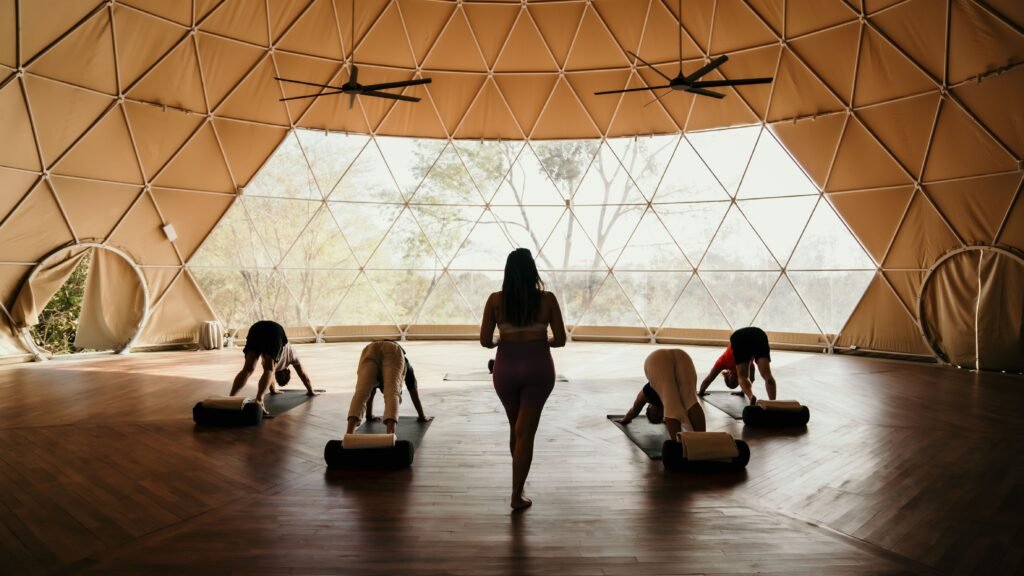
The Playa Venao area has become one of the most serious yoga and wellness destinations in Central America — a fact still largely unknown outside of the communities that have discovered it. Alaya Panama, located between Playa Venao and Isla Cañas, houses the largest domed yoga shala in Panama and runs daily group sessions in Vinyasa, Yin, and Hatha. The broader property offers guided meditation, breathwork, reiki, holistic therapies, and immersive retreat programmes.
For travellers who want yoga as a serious part of their Playa Venao experience rather than an afterthought, the retreat centre infrastructure here is exceptional.
Wildlife and Nature
The wildlife around Playa Venao is one of the region’s best-kept secrets. Between July and October, humpback whales migrate through the bay — whale watching trips can be arranged locally and offer encounters most travellers associate with much more remote destinations. Year-round, the area hosts sea turtles, howler monkeys, scarlet macaws, and the rich marine life of the Pacific coast.
Isla Cañas, accessible by a short boat ride, is one of the most important sea turtle nesting sites in the Americas. Visiting during nesting season (July to November, with peak activity in September and October) is a genuinely rare experience.
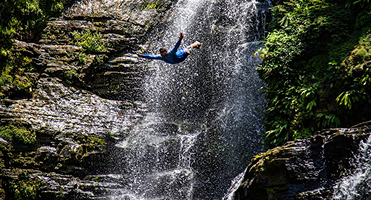
Paddleboarding through the mangroves north of the bay is a particular highlight — quiet, slow, wildlife-rich, and unlike anything else in the region. Alaya Panama organises guided mangrove excursions as part of their adventure programme.
Local Food
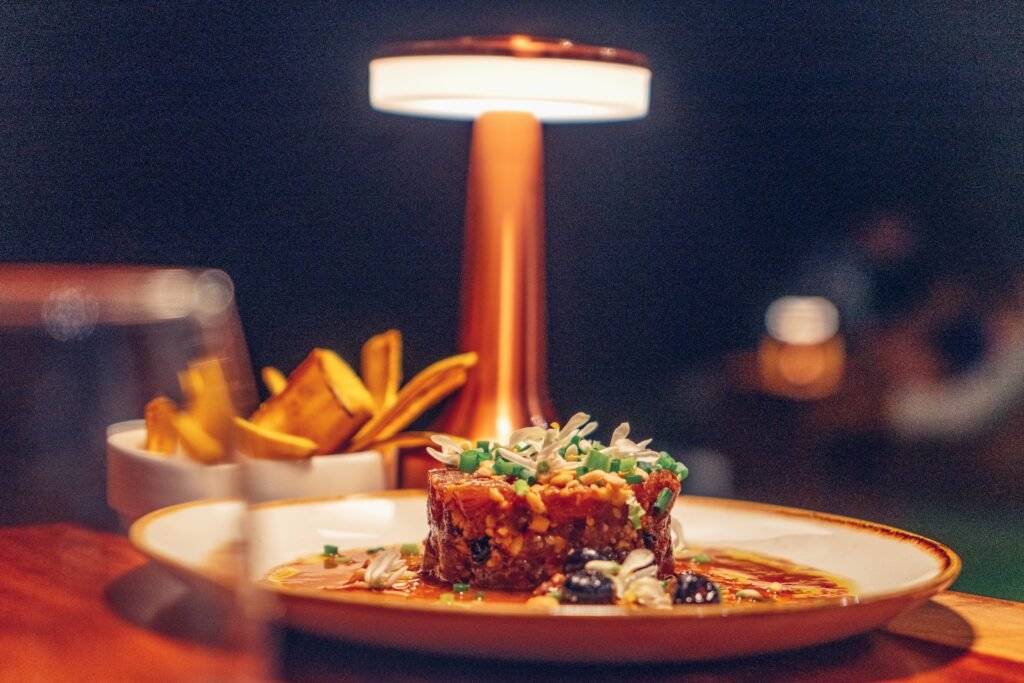
Playa Venao’s food scene is small but genuinely good. Fresh Pacific fish — snapper, corvina, tuna — prepared simply with local herbs and citrus is the staple. Several beachside restaurants serve the morning catch alongside cold beer and a Pacific sunset. For more refined dining, the retreat centres produce exceptional food from locally grown and farm-sourced produce — Alaya’s kitchen team works from a permaculture garden and brings a level of care to the food that matches the rest of the experience.
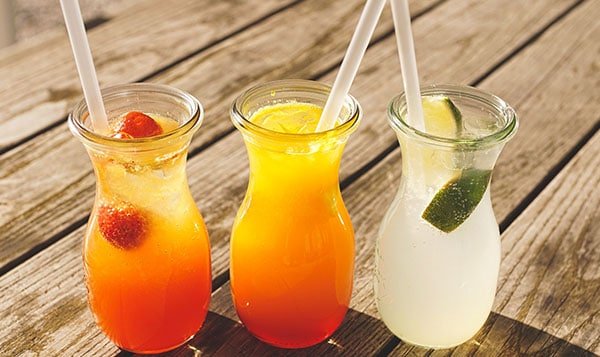
The juice and smoothie culture is strong. Tropical fruit combinations available here — guanábana, maracuyá, mamey, nance — are genuinely unlike what you’ll find anywhere outside of Central America.
Exploring Beyond the Beach
The town of Pedasi, twenty minutes from Playa Venao, is a well-preserved colonial village with good restaurants, a Saturday market, and boats departing for Isla Iguana — a protected marine reserve with some of the best snorkelling on the Pacific coast of Central America.
The broader Azuero Peninsula is culturally rich and largely untouristed. Chitré and Los Santos preserve traditions — handmade pollera dresses, devil mask festivals, artisan crafts — that have been maintained for centuries. The Carnival celebrations in the Azuero are among the most authentic in Panama.
Where to Stay in Playa Venao
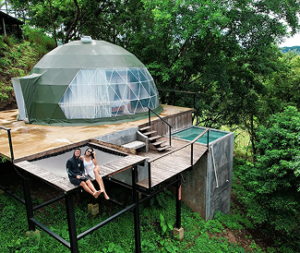
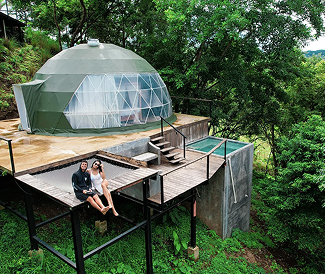
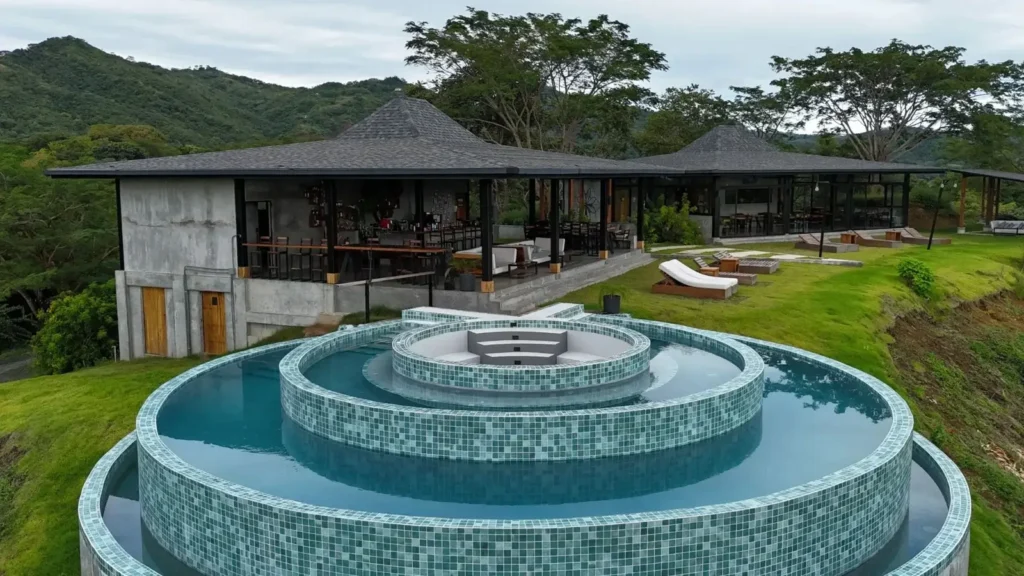
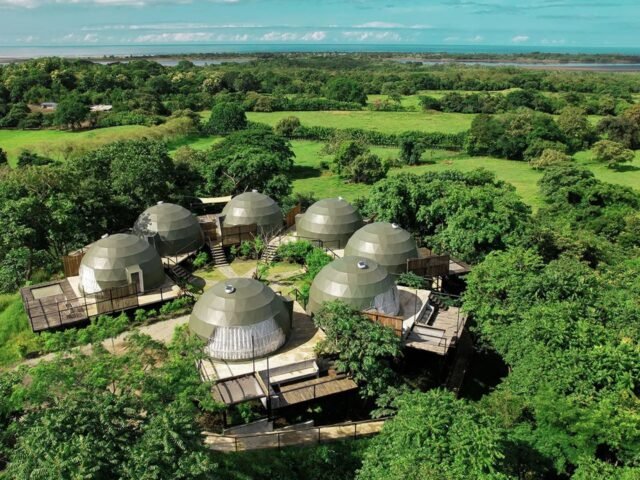
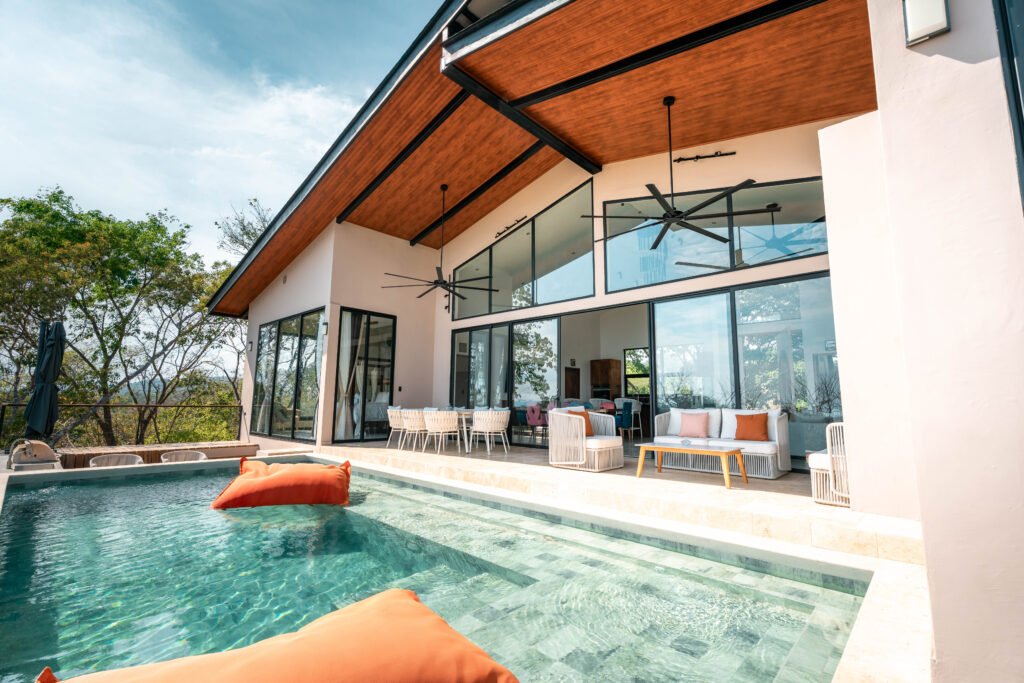
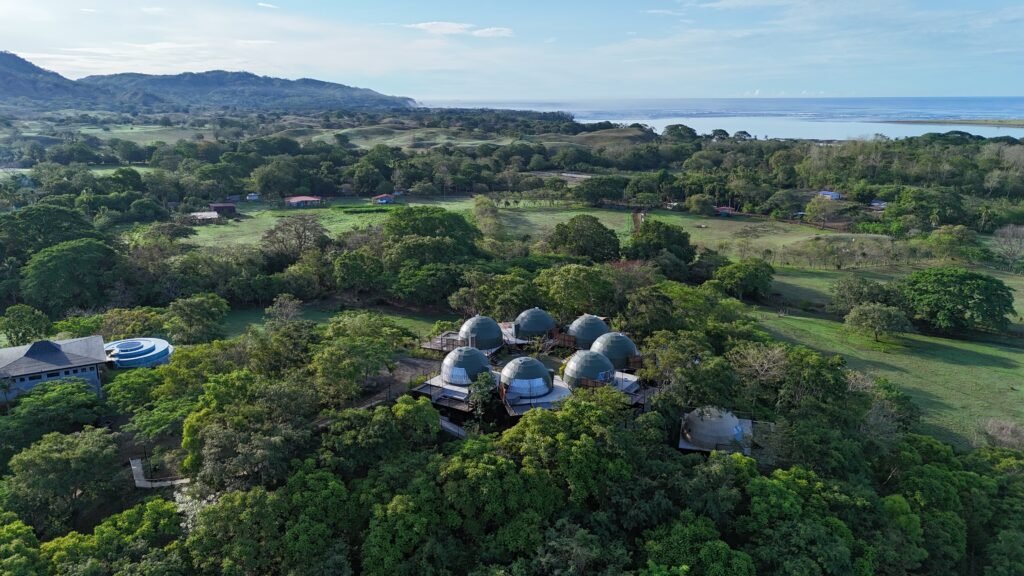
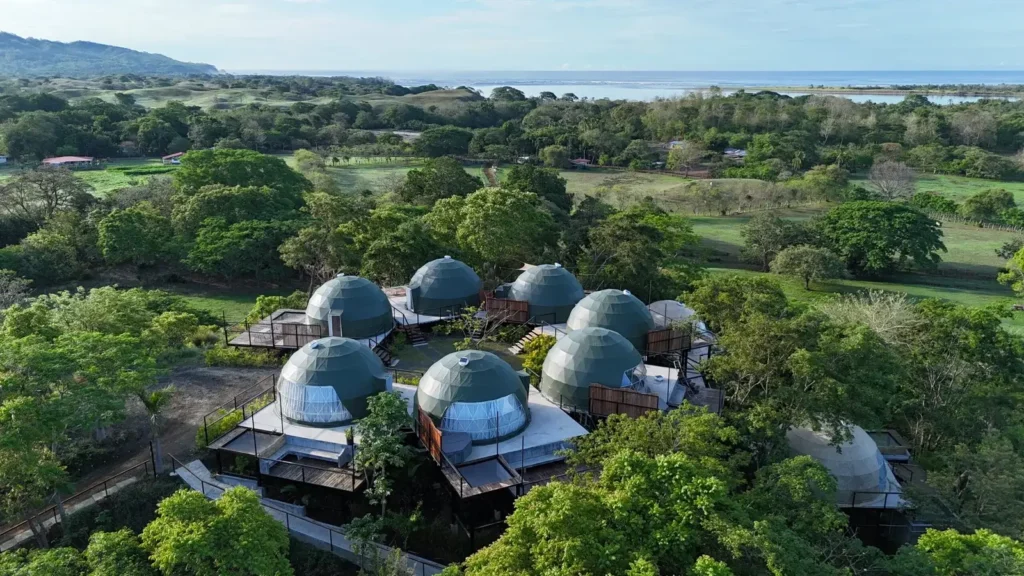
Accommodation ranges from budget surf hostels to luxury glamping. For travellers combining wellness and nature, Alaya Panama offers all-inclusive packages including accommodation in geodesic Chakra Domes — a first-of-its-kind luxury glamping concept in Panama. Each dome sits within a private landscape of ocean and jungle, connected by walkways through tropical gardens. Accommodation includes all meals, daily yoga, and access to the property’s facilities and guided activities.
For independent and budget travellers, small guesthouses and surf camps along the main beach road offer comfortable, well-located accommodation at reasonable rates.
Best Time to Visit Playa Venao
The dry season from December to April brings the most reliable sunshine, lower humidity, and consistent — if slightly smaller — surf. The beach is at its busiest during this window, particularly at Christmas, New Year, and Carnival (February or March depending on the year).
The wet season from May to November brings more powerful surf, lush jungle, and — from July to October — humpback whales in the bay. Rain tends to arrive in afternoon showers rather than sustained downpours, leaving mornings typically clear and perfect for surfing or yoga. Accommodation rates are lower, the beach is quieter, and the experience of Playa Venao during this season has a particular depth to it.
For the full Playa Venao experience — wildlife, powerful surf, and the landscape at its most alive — the July to October window is difficult to beat.
Tips for First-Time Visitors
– Bring reef-safe sunscreen. The Pacific sun is strong and the marine environment here is worth protecting.
– Arrive with cash. Smaller restaurants and local services may not accept cards — bring Panamanian Balboas (US dollars accepted at parity throughout Panama).
– Book accommodation in advance for December to April, particularly the Christmas, New Year, and Carnival periods.
– Respect the sea. Playa Venao’s waves are beautiful but can be powerful. Check conditions with local surfers before entering, especially if you’re not an experienced swimmer.
– Allow more time than you think you need. Playa Venao has a particular quality of making you want to stay longer than planned.
Looking for the perfect base in Playa Venao?
Alaya Panama offers luxury glamping, daily yoga, wellness retreats, and guided adventures right in the heart of this extraordinary destination.
Visit alayapanama.com to explore packages and plan your stay.